

Exploring the social dynamics of gambling How community influences behavior

Exploring the social dynamics of gambling How community influences behavior
The Role of Social Interaction in Gambling
Gambling is often perceived as an individual pursuit, yet the reality is that social interactions significantly shape the experience and behavior of gamblers. When individuals gamble in groups, their decisions can be influenced by the reactions and behaviors of those around them. This communal aspect can lead to a shared excitement that enhances the overall gambling experience, creating a positive feedback loop that encourages continued participation. In favor of safe practices, one can also explore alternatives like best casino not on gamstop to ensure a controlled environment.
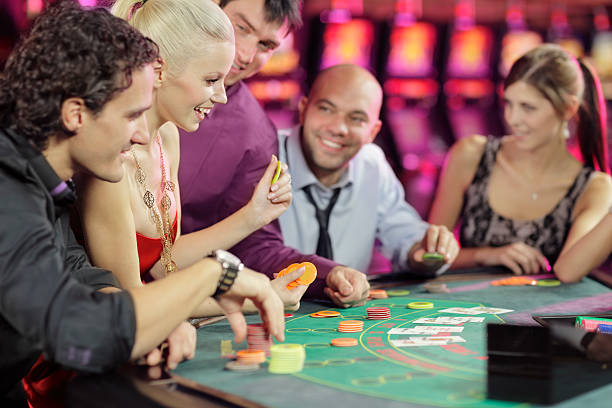
Moreover, the presence of friends or acquaintances can mitigate feelings of isolation often associated with gambling. Engaging in friendly banter or sharing victories and losses can foster a sense of belonging, making the act of gambling more socially acceptable and enjoyable. This social support can also act as a safety net, helping individuals manage their gambling habits by providing emotional and psychological backing.
The Impact of Community Norms on Gambling Behavior
Community norms play a crucial role in shaping gambling behavior. In communities where gambling is normalized and frequently discussed, individuals may feel more inclined to participate. The culture surrounding gambling can dictate what is considered acceptable behavior, influencing how often and in what manner people engage in gambling activities. For instance, in regions where gambling is celebrated, there may be higher rates of participation, whereas, in more conservative areas, individuals might feel pressured to abstain.
These community norms can also affect perceptions of risk and reward. If a community tends to view gambling as a harmless pastime, individuals are less likely to recognize the potential for addiction or negative consequences. Conversely, in communities that emphasize responsible gambling, individuals may be more vigilant about their gambling habits, fostering a culture of moderation and awareness.
The Influence of Peer Pressure on Gambling Choices
Peer pressure can significantly influence gambling choices, particularly among younger individuals. When surrounded by peers who gamble frequently, individuals may feel compelled to join in, regardless of their personal interest or financial situation. This dynamic can lead to impulsive decisions and greater financial risks, as the desire to fit in outweighs caution.
The effects of peer pressure are not only confined to the act of gambling but can also extend to the amounts wagered. Individuals may feel the need to keep up with their friends, leading to larger bets than they would typically place alone. This phenomenon highlights the importance of understanding the social dynamics at play when analyzing gambling behavior within communities.
Community Support and Responsible Gambling
While gambling can lead to negative outcomes, communities can also foster responsible gambling through support systems. Initiatives aimed at promoting responsible gambling behaviors can encourage individuals to engage with their local gambling establishments in a healthy way. Communities can organize events that raise awareness about the risks of gambling, providing resources and support for those struggling with gambling addiction.
Moreover, community support networks can create a safe space for individuals to share their experiences and challenges related to gambling. By promoting open discussions about the potential pitfalls of gambling, communities can help individuals make informed choices, ultimately leading to a healthier approach to gambling that prioritizes well-being over reckless behavior.
Conclusion: Understanding Gambling Through Community Dynamics
The exploration of social dynamics within gambling reveals how community influences individual behavior significantly. From the role of social interactions to the impact of community norms and peer pressure, it is clear that gambling cannot be viewed in isolation. By understanding these dynamics, we can better address the issues surrounding gambling and promote healthier habits.
In conclusion, recognizing the influence of community on gambling behavior is vital for developing strategies that encourage responsible gambling. Communities can serve as powerful allies in fostering environments that prioritize safe gambling practices, ultimately benefiting everyone involved. Understanding these dynamics will ensure that individuals approach gambling in a balanced and informed manner.
