

Intermittent Fasting Schedules

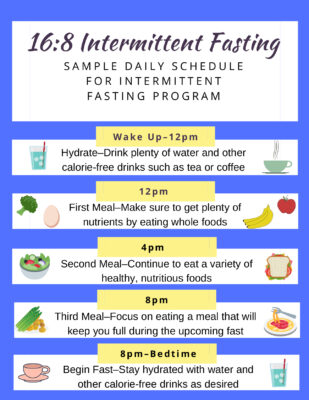
Twelve hours is the minimum timespan for successful intermittent fasting. So, if you have breakfast at 8 a.m., do not eat anything after 8 p.m. This will leave your stomach empty from bedtime till the next morning. The next phase would be to try to eat all your daily meals within a 10-hour, and eventually within an 8-hour span – the strictest, and maximum level. In the morning, it is okay to wait to eat until you feel real physical hunger kicking in.
Schedule #1: Skipping a meal sometimes
For more information please visit or follow us on twitter @sportsdrsean. Written by Kelly Reising who is passionate about nutrition, fitness and health. Special considerations should be made if you have ongoing health problems and you should consult with a physician before pursuing major dietary changes. Disclaimer – if you feel there’s any real misinformation (or typos!) contained herein, please message me. I’m aiming for general information, as I want to use this post as an easy link reference for the common ‘how do I get started’ questions.
The benefits of intermittent fasting

If you feel overly fatigued, irritable, or experience frequent dizziness, your fasting window may be too long. Adjust your approach by shortening your fast, increasing your nutrient intake, or trying a different fasting method. If you have diabetes, low blood pressure, or any other medical condition, it’s important to consult your doctor before starting.
Health Categories To Explore
I believe this is down to the food choices I make when it’s time to eat. To me, there is no point in undoing all the good of fasting only to break it with a sugary treat or unhealthy meal. Especially as this would only leave me crashing later and make it harder to fast. However, when you fast for more than 12 hours, your body’s glucose levels start to dip because you’re not eating as frequently. When your body doesn’t have the glucose it needs for energy, it taps into your body’s fat for energy. When this happens, the fatty acids in your body are absorbed into your blood.
The 5:2 method
If you don’t eat for 10–16 hours, your body will go to its fat stores for energy, and fatty acids called ketones will be released into the bloodstream. This has been shown to protect memory and learning functionality, says Mattson, as well as slow disease processes in the brain. If someone’s under a lot of pressure, a gentler form of fasting is probably best. If you attempt an advanced fasting schedule such as ADF, you’ll want to give your body plenty of TLC on your fasting days—and schedule exercise for your eating days. Intermittent fasting is a flexible and effective way to support weight management, improve metabolic health, and boost overall well-being. Choosing the right fasting method, eating nutrient-dense meals, and staying hydrated are all key to making it work.
Don’t rush results
- “Choose high protein, complex carbohydrates for sustained energy.”
- With intermittent fasting, people tend to lose weight fairly slowly — about a half a pound to 1 pound per week.
- However, when we compare the differences in energy used from body fat over an entire day, that’s entirely dependent on the total calories consumed.
- Studies show that it can help you shed some pounds, but intermittent fasting doesn’t seem to be any more effective than conventional low-calorie diets.
- There are several fasting methods, but the 16/8 approach is one of the most popular and sustainable.
- To handle cravings during fasting periods, Rachael says she reaches for ginger tea.
But before we get to that… In the next chapter we’ll look at how IF can impact workouts, and how to optimize your performance while fasting. Then when that trucker arrives home, they might eat more normally. Eventually she got to like the efficiency of waking, grabbing a cup of tea, and getting straight to work. And she slept a lot better after a good meal in the evenings.
Eat: stop: eat method
If your goal is weight loss, you still need to consume fewer calories than you burn every day to lose weight, full stop. If your goal is bulking up, you’ll need to consume more calories than you burn every day. Intermittent Fasting isn’t a cure-all, it’s a PART of the puzzle. Weight Loss and Fat LossBy limiting your eating window, you may naturally consume fewer calories and burn fat more efficiently, which can support weight loss. Although you’ll probably experience some kind of hunger in the beginning, most people who regularly practice intermittent fasting find that their https://unimeal.reviews/ hunger goes away after a few weeks. It might seem difficult, but for most people, intermittent fasting gets easier after your body adjusts to skipping a meal or two.
Pros and Cons of Common Fasting Schedules
When your body isn’t busy digesting food, it has as chance to do other things. Here are some benefits to regularly practicing intermittent fasting. So popular, in fact, that it is quickly moving into fad territory, suggests Pilon.
Don’t overthink it
During the eating window, you consume all your daily macros and nutrients; during the fasting window, you drink only water or other calorie-free beverages. Some people do this daily, while others follow the regimen a few times a week. During fasting, glycogen, our bodies’ carb stores, becomes depleted. As a result, the body starts is unimeal legit breaking down stored fat to use as energy. This increased fat burn directly contributes to weight loss and reduces excess body fat over time5. Ideally, your glycogen levels should fluctuate without getting too high or too low.
Health
If fasting ever feels overwhelming, it’s okay to take a step back and reassess. Hydration is crucial while fasting, as your body still needs fluids to function properly. Drinking plenty of water can help curb hunger, support digestion, and prevent dehydration-related headaches.
